

Company News
Inside Flag Quality Control: How Printed Flags Are Inspected Before Shipping
Oct
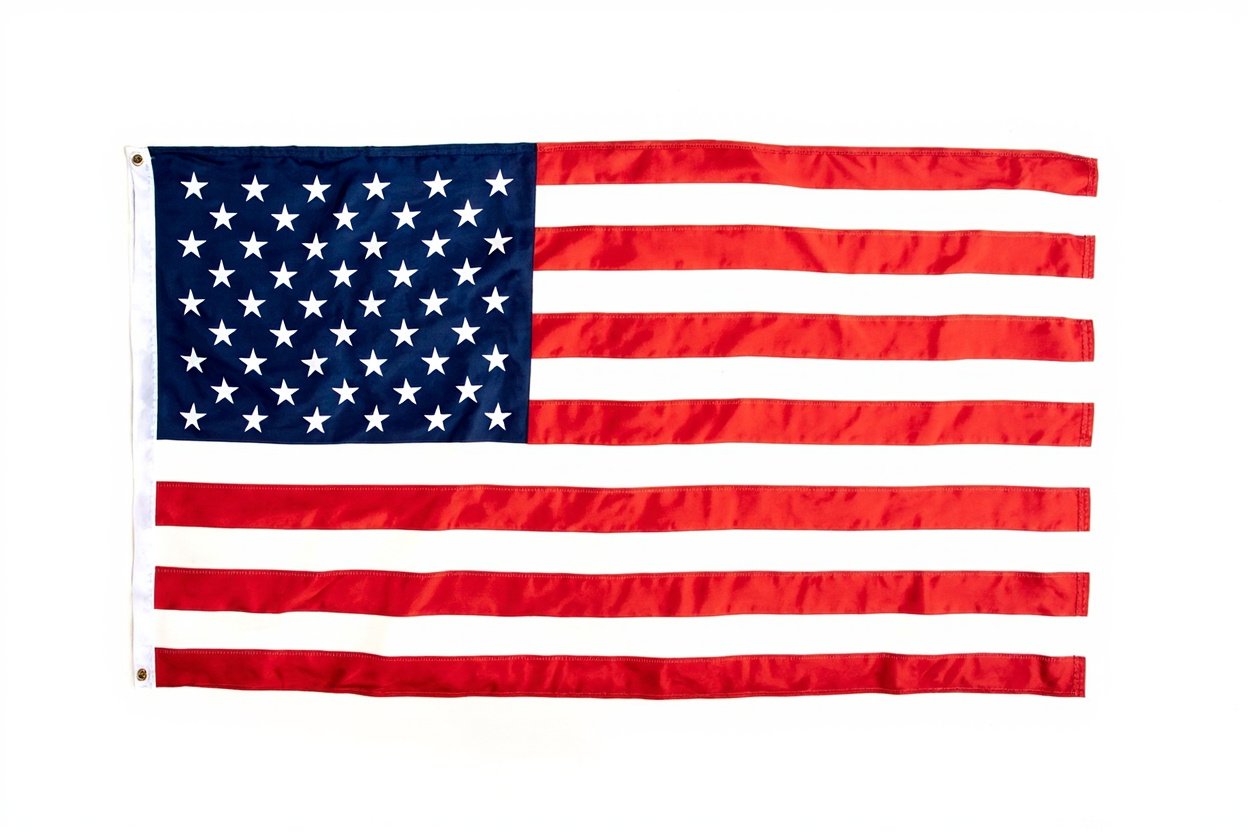
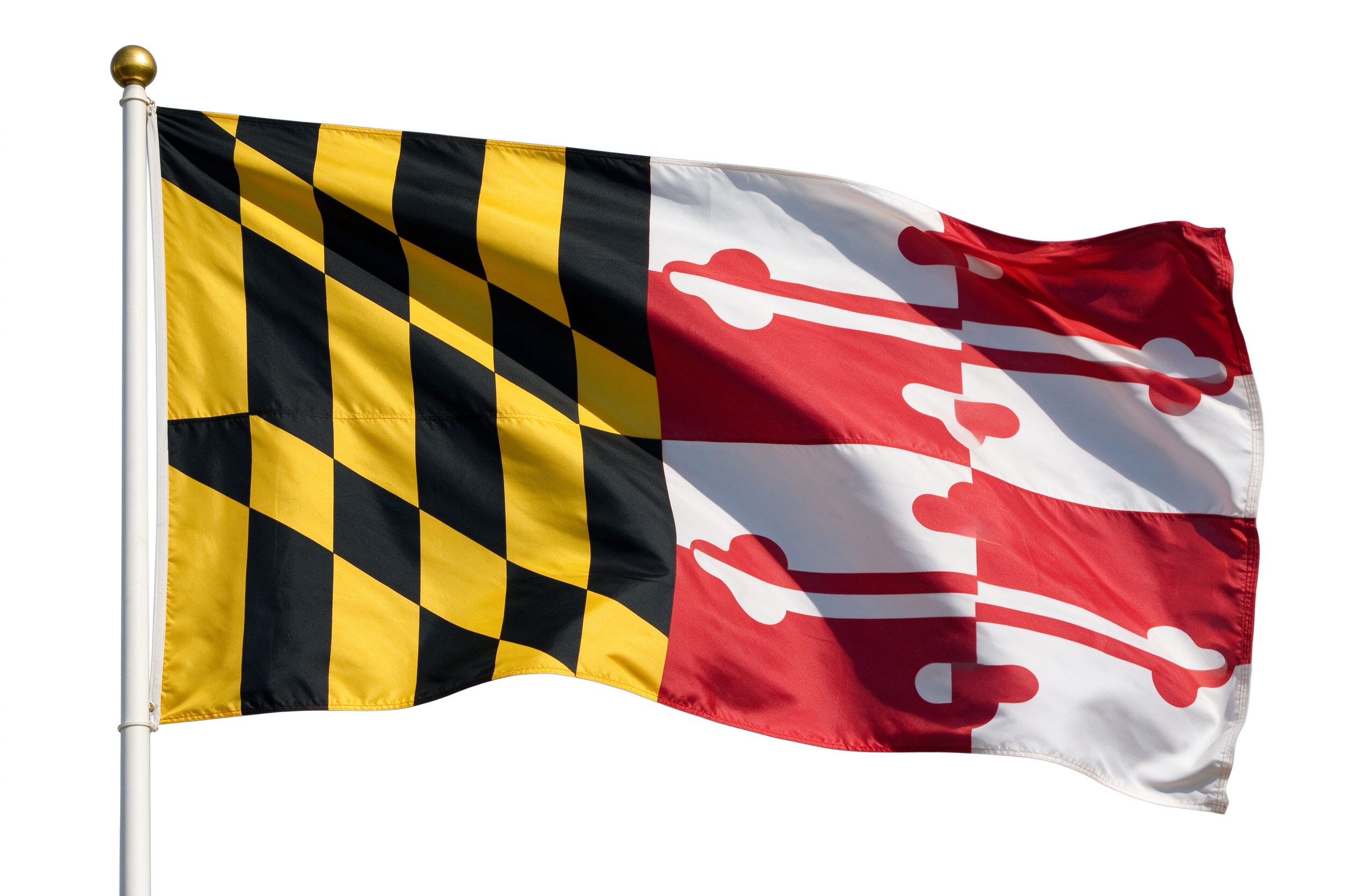
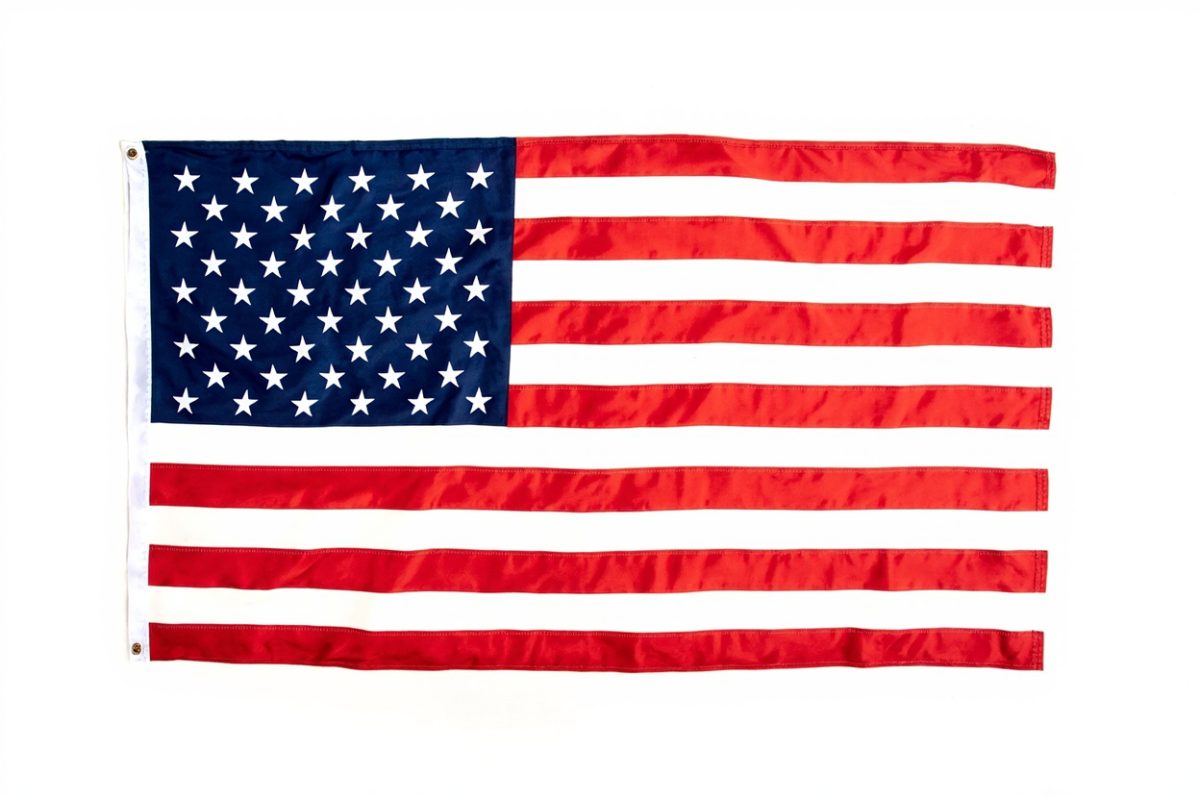
A printed flag looks simple from twenty feet away. Up close, the details that decide whether it sits crisp and square on a pole or shows every flaw the moment it catches wind come down to process: how the artwork was prepared, how the ink went onto the fabric, how the hem was stitched, and how the finished piece was checked before it was folded. This is a walkthrough of how flag quality control works on our production floor, stage by stage.
Why Printed Flags Need Dedicated Quality Control
Printed flags fail differently from sewn or appliquéd flags, so they need a different checklist. Where a sewn flag might fail at a seam, a printed flag more often shows trouble in the ink or the alignment: colour shifting across a long run, fine lines ghosting, a design sitting slightly off-centre after cutting, or a hem that puckers because the fabric moved under the needle.
Good printed flag quality depends on catching those problems where they happen — at the file, at the press, at the finishing table — rather than discovering them after hundreds of pieces are already boxed.
Stage 1: Artwork and Print File Review
Nothing goes to print until the file passes review. This is the cheapest place to fix a mistake, and the stage buyers most often skip.
- Resolution and scaling. Enough usable detail at the finished size, with no stretched or upsampled logos.
- Vector versus raster elements. Text, stars, crests, and thin rules hold their shape far better when they start as vector paths.
- Colour references. Where brand colours matter, we match against a physical printed reference rather than trusting a screen.
- Bleed and safe margins. So a cut never clips a border, a star point, or a line of text.
- Read-through and mirroring. For two-sided flags, we confirm which elements should show reversed on the back and which should stay readable.
- Legibility at distance. A design that works on a laptop screen may not read from across a car park.
Stage 2: Incoming Fabric Inspection
Ink can only look as good as the surface it sits on, so fabric is checked when it arrives, before it ever reaches the press.
- Weight and hand feel against the ordered specification
- Weave consistency, slubs, pulls, and visible defects across the roll
- Whiteness and opacity — these matter most for bright whites and pale designs
- Width consistency and general roll condition
Any roll that will not print cleanly gets set aside rather than worked around.
Stage 3: Monitoring the Print Run
Printing is where most defects are born, and most of them can be caught early with attention rather than luck.
- First-off approval. The first piece off the press is checked against the approved reference before the run continues.
- Registration. Multi-colour designs are checked for alignment so edges do not double up or leave gaps.
- Ink laydown. Even coverage across the panel, with no banding, blotching, or unwanted show-through.
- Consistency across the run. Periodic pull-outs are compared side by side to spot drift before it affects the whole batch.
- Handling discipline. Printed fabric stays off dirty surfaces and away from contact marks while it cures and moves down the line.
Stage 4: Flag Inspection on the Finishing Table
This is the flag inspection step most buyers picture, and it is the last chance to catch anything that slipped through printing. Every finished piece is checked against the order specification:
- Finished dimensions measured against the ordered size, not an assumed nominal size
- Print-to-cut alignment, so the design is centred and borders are even
- Cut edges square, corners true, no ragged trimming
- Hem width consistent, fly end reinforced, stitch density even, no skipped stitches
- Grommet placement even and centred on the header, with hardware seated cleanly and no fabric torn around it
- Header tape straight, no puckering or twisted seams
- Loose threads trimmed, no smudges or handling marks
Flags that fail any of these are pulled aside, not quietly patched and shipped.
Stage 5: Final Count, Folding, and Packing
The last flag quality control checkpoint is a simple one that still catches a surprising number of problems: quantity counted against the order, size and material correctly labelled, folding pattern consistent from piece to piece, and packaging appropriate for the shipping method. Where a job involves repeat orders, we retain a sample from the run so future batches can be compared against it.
Defects We See Most Often — and What Happens Next
- Colour drift mid-run — press recalibrated, affected pieces reprinted
- Misregistration in fine detail — file re-separated and the run restarted
- Off-centre design after cutting — panel recut where the fabric allows, otherwise reprinted
- Hem puckering — sewing tension and feed adjusted, affected pieces redone
- Grommet misalignment — hardware replaced or the panel rejected
What to Specify in Your Order for Consistent Results
Clear specifications make inspection objective rather than subjective. Tell us:
- Exact finished dimensions, length by width
- Fabric type and weight
- Print method and number of sides
- Hem style, header style, and grommet specification and spacing
- Colour references for anything brand-critical
- Folding and packaging requirements
- Whether you want a pre-production sample or photo approval before the full run
Flag quality control is not a single inspection at the end of a line. It is a sequence of small, repeatable checks that start with the artwork and finish with the shipping carton — and the earlier a problem is caught, the less it costs everyone involved.
Email: flagswin@flag-win.vip
WhatsApp: +86 13031678795
Facebook: https://www.facebook.com/StarFlagFactory/
Alibaba.com: https://wfqyflag.en.alibaba.com/
