

Company News
What a Professional Flag Quotation Should Include: A Buyer’s Checklist
Oct

What a Professional Flag Quotation Should Include: A Buyer’s Checklist
A flag order can look simple on the surface — pick a design, pick a size, place the order. But when the invoice arrives and the numbers don’t match expectations, it is almost always because the original quotation left something vague. Whether you are ordering a single custom banner or a few thousand national flags for resale, a professional flag quotation should let you compare offers line by line, without guessing what is included and what is not.
This guide breaks down what a complete quote looks like, so you can read any offer you receive with confidence.
Why a Vague Quote Costs You Money
Quotes that say only “custom flag, 3×5 ft — $X each” hide the details that affect both cost and quality. Fabric weight, printing method, hem style, and finishing all change what you receive. A quote that omits them makes it impossible to compare two suppliers fairly, and it leaves room for substitutions later. The more detail a supplier is willing to put in writing, the easier your decision becomes.
The Core Elements of a Professional Flag Quotation
1. Clear Product Specification
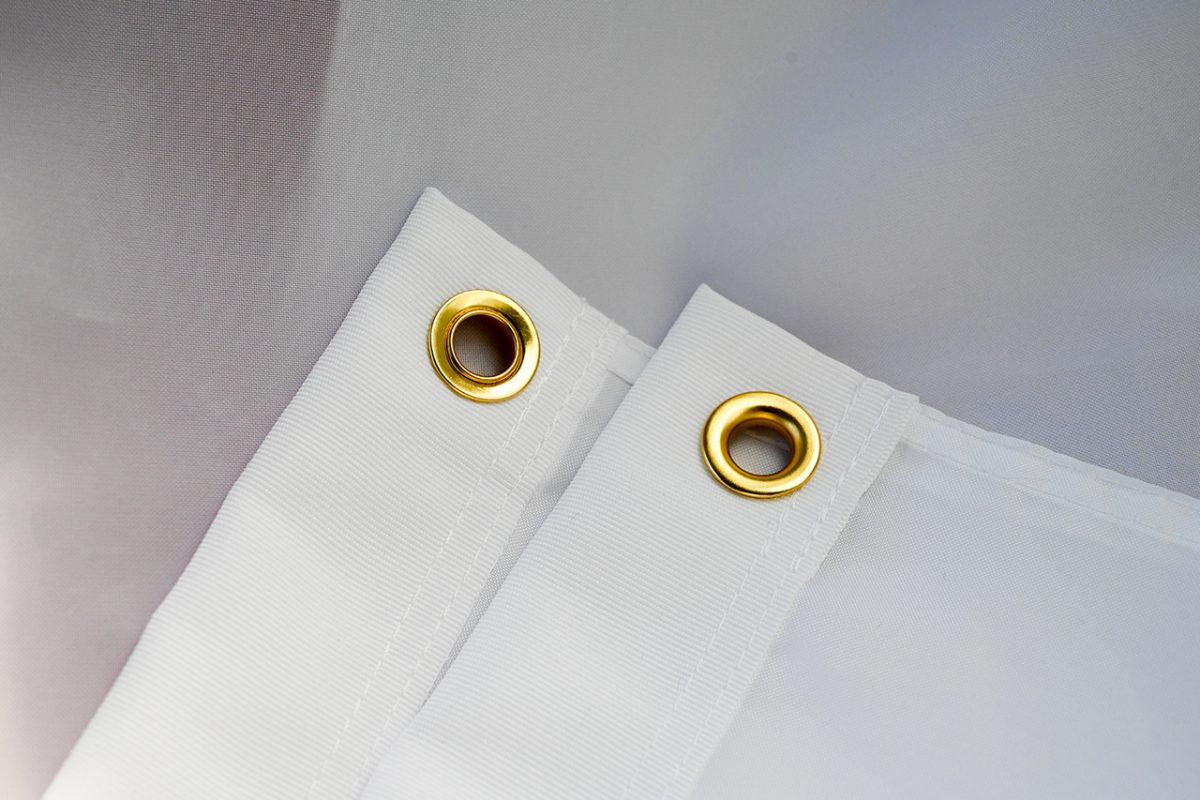
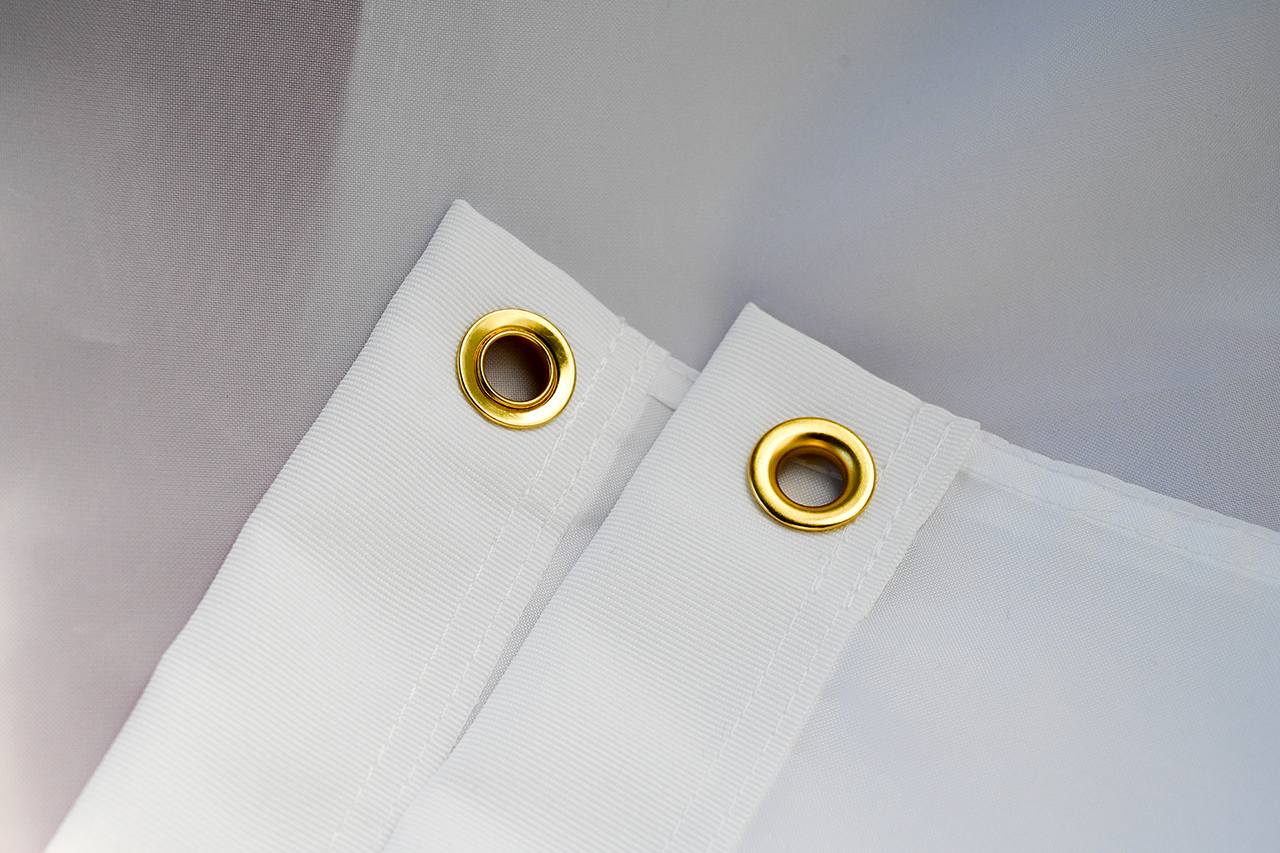
Every line item should state the finished size (in both metric and imperial if you are buying internationally), the fabric or material name, the fabric weight, and the construction details: header type, grommet placement, hem width, and whether edges are single-stitched, double-stitched, or reinforced. If the flag is double-sided, the quote should explain how the reverse side is produced.
2. Quantity Tiers and Unit Pricing
Flag pricing is usually tiered. A good quote shows the price per unit at several quantity levels — for example, 1–24, 25–99, 100–499 — so you can see how the cost changes as volume increases. If only one quantity is quoted, ask for the tiers; you may find that a slightly larger order improves your unit cost considerably.
3. A Transparent Flag Price Breakdown
Ask for the total to be split into its parts: material, printing, cutting and sewing, finishing hardware, setup or plate charges, packaging, and freight. A flag price breakdown like this is valuable for two reasons. First, it shows you exactly what you are paying for. Second, when your requirements change — a different size, a lighter fabric, no grommets — you can see immediately which parts of the cost move.
4. Artwork, Proofing, and Setup Charges
The quote should state whether digitizing, vector redraws, or plate setup are charged, and whether a digital proof is included. Confirm how many rounds of revisions are covered and whether changes after approval are billed. For repeat orders using the same artwork, ask whether setup fees are waived.
5. Printing Method and Color Notes
Screen printing, digital printing, and dye sublimation each suit different order sizes and design complexity. The quote should name the method and note any relevant limitations, such as how closely a printed color can match a reference. If exact brand colors matter, ask how the supplier handles color approval before production.
6. Packaging and Labeling
How flags are packed affects both freight cost and your receiving process. Specify poly bags per piece, headers, barcodes, retail-ready packaging, or carton labeling — and make sure the quote confirms what is included rather than assuming standard bulk packing.
7. Shipping Terms and Incoterms
Freight is often the line that shifts a landed cost. The quote should state the shipping term (EXW, FOB, CIF, or DDP), the origin port, the estimated freight charge, and who handles import duties and customs clearance. A quote without a shipping term is a price, not an offer.
8. Production Lead Time vs. Delivery Time
These are not the same thing. Production lead time covers manufacturing after artwork approval and deposit; delivery time covers transit. Ask for both separately, and confirm whether the estimate starts from deposit or from proof approval.
9. Payment Terms and Quote Validity
Look for the deposit and balance structure, accepted payment methods, and the date the pricing expires. Material and freight costs move, so a validity window protects both sides.
10. Samples and Documentation
If you need a pre-production sample, the quote should show the sample charge and whether it is credited against the bulk order. For markets with import requirements, ask which product documentation the supplier can provide and confirm it in writing before ordering.
Your Quick Flag Quote Checklist
- Finished size, fabric name, and fabric weight stated
- Header, grommet, hem, and stitching details specified
- Unit pricing shown at multiple quantity tiers
- Costs itemized — materials, printing, finishing, setup, packing, freight
- Proofing process and revision policy described
- Printing method named
- Packaging and labeling requirements confirmed
- Shipping term and origin port listed
- Production lead time and transit time given separately
- Payment terms and quote expiry date included
Red Flags to Watch For
Be cautious with quotes that give a single lump-sum figure with no specification, quotes that change materially after you ask a clarifying question, and quotes that cannot name the fabric or printing method. Verbal assurances about timelines are also worth converting into written terms. A supplier who is comfortable putting detail in writing is usually a supplier who is comfortable being held to it.
Requesting a Quote from Flags Factory
To get a useful flag quotation the first time, send your artwork or reference image, the finished dimensions, the quantity you expect to order, the intended use (indoor display, outdoor use, or resale), your packaging requirements, and your delivery destination. With those details, the quote can be built around your actual needs rather than a generic estimate — and you can compare offers using the same flag quote checklist every time.
Email: flagswin@flag-win.vip
WhatsApp: +86 13031678795
Facebook: https://www.facebook.com/StarFlagFactory/
Alibaba.com: https://wfqyflag.en.alibaba.com/
