

Flag Guide
How to Store Flags, Clean Them, and Fold Them: A Practical Flag Care Guide

Nov
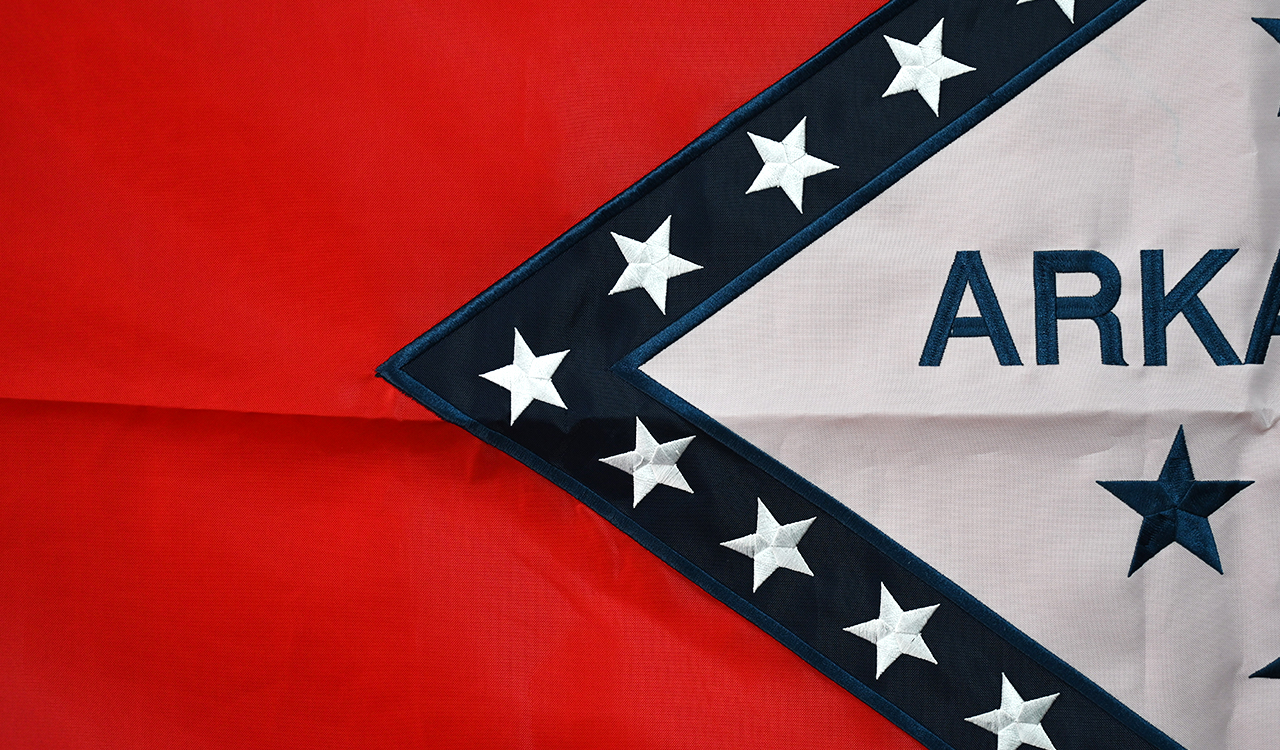
A flag spends most of its life outdoors taking a beating from sun, wind, rain, and dust — and then most of its off-season shoved into a garage shelf or a plastic bag. A few simple habits on the cleaning, folding, and storage side can make a real difference in how a flag looks and behaves season after season. This guide covers practical flag care for homeowners, schools, dealerships, and anyone managing a set of banners or national flags.
Know Your Material Before You Clean Anything
The right cleaning method depends entirely on what the flag is made of. Check the label or the product listing before you start.
- Nylon and polyester: The most common outdoor flag fabrics. Generally tolerant of gentle hand washing and quick air drying.
- Cotton: Beautiful for indoor display, but it absorbs water, shrinks more easily, and needs gentler handling and flatter drying.
- Vinyl, mesh, and printed banners: Usually best wiped down rather than soaked. Avoid abrasives that can scratch printed surfaces.
- Embroidered or appliquéd flags: Treat the stitching gently — no scrubbing directly on embroidery, and no harsh wringing.
How to Clean a Flag Properly
1. Shake out loose dirt first
Dust, pollen, and grit work into the weave. Shake the flag out well, or brush it lightly with a soft brush, before introducing water. Washing a gritty flag can grind particles into the fabric.
2. Hand wash in cool water
Fill a tub or basin with cool or lukewarm water and a small amount of mild detergent — the kind you’d use for delicates. Let the flag soak for a short while, then gently agitate by hand. Pay attention to the fly end and the bottom edge, where grime collects fastest.
3. Rinse thoroughly and skip the harsh stuff
Rinse until the water runs clear. Avoid bleach, chlorine-based cleaners, and fabric softener; these can weaken fibers, dull colors, and leave residue that attracts dirt. Never put a decorated flag in a washing machine with an agitator, and never pressure-wash it.
4. Dry flat or hang loosely
Squeeze gently — don’t wring or twist. Lay the flag flat on a clean towel or hang it loosely in the shade. Direct sun on a wet flag is unnecessary stress on the dyes, and a tumble dryer is too aggressive for most flag fabrics.
Spot cleaning and light refresh
For a flag that’s only lightly soiled, spot cleaning with a damp cloth and mild soap is often enough. A quick rinse and air dry after a dusty stretch of weather keeps grime from building up.
Folding a Flag for Storage
Folding matters more than most people expect. Sharp creases pressed into the same spot for months can become weak lines in the fabric, especially on coated or printed materials.
The triangle fold
The traditional triangular fold used for national flags is a respectful, compact method that also distributes creases more evenly than a simple square fold. Work on a clean, dry surface with clean hands, and keep the folds loose rather than pressing hard edges.
Rolling large flags and banners
For oversized flags, stadium banners, and backdrops, rolling is often kinder than folding. Roll around a wide cardboard tube — not a narrow pole — and secure the roll with a soft tie rather than tape or elastic bands. Tape leaves adhesive residue; tight elastic can leave compression marks.
How to Store Flags Between Uses
Storage conditions do a lot of quiet work. Aim for dry, dark, and stable.
- Make sure it’s completely dry. Even slightly damp fabric stored in a closed container can develop mildew and musty odor.
- Keep it out of direct sunlight. Long exposure to UV is one of the main reasons stored flags look tired when they come back out.
- Use breathable containers. A clean cotton pillowcase, a cardboard box, or a breathable fabric bag works well. Sealed plastic can trap moisture.
- Avoid heavy compression. Don’t stack boxes of files or tools on top of a folded flag.
- Skip the nail on the garage wall. Hanging a flag from a single point for months creates a stress line and a dust magnet.
- Label the container. A quick note on size and material saves you from unfolding three flags to find the one you need.
For long-term storage — say, a seasonal flag that comes out twice a year — add a desiccant packet to the box if your storage area is humid, and check the flag once a year.
Everyday Habits That Support Flag Care
- Take flags down before severe storms and high-wind events.
- Inspect hems, grommets, and the fly end periodically for fraying.
- Rotate between two flags if one is flown continuously.
- Clean a flag properly before storage, not after — stains set over time.
When It’s Time to Retire a Flag
Once a flag is faded, torn at the fly end, or has lost its shape, cleaning and folding won’t bring it back. Retire it respectfully and replace it — a crisp flag reflects better on the organization or household flying it.
Need a replacement or a spare for rotation? Browse our custom flags, national flags, and banner options, and keep a second one on hand so your display never has to come down for a wash day.
Email: flagswin@flag-win.vip
WhatsApp: +86 13031678795
Facebook: https://www.facebook.com/StarFlagFactory/
Alibaba.com: https://wfqyflag.en.alibaba.com/
