

Flag Guide
Embroidered vs Printed Flags: Which Choice Is Right for Your Business?
Sep
Embroidered vs Printed Flags: Understanding the Key Differences
When you order custom flags from flags-factory.cn, one of the first decisions you will face is whether to choose an embroidered flag or a printed flag. Both produce professional, attractive results, but they serve different purposes, budgets, and visual expectations. This guide walks you through the practical differences so you can make an informed choice for your business, organization, or event.
What Are Embroidered Flags?
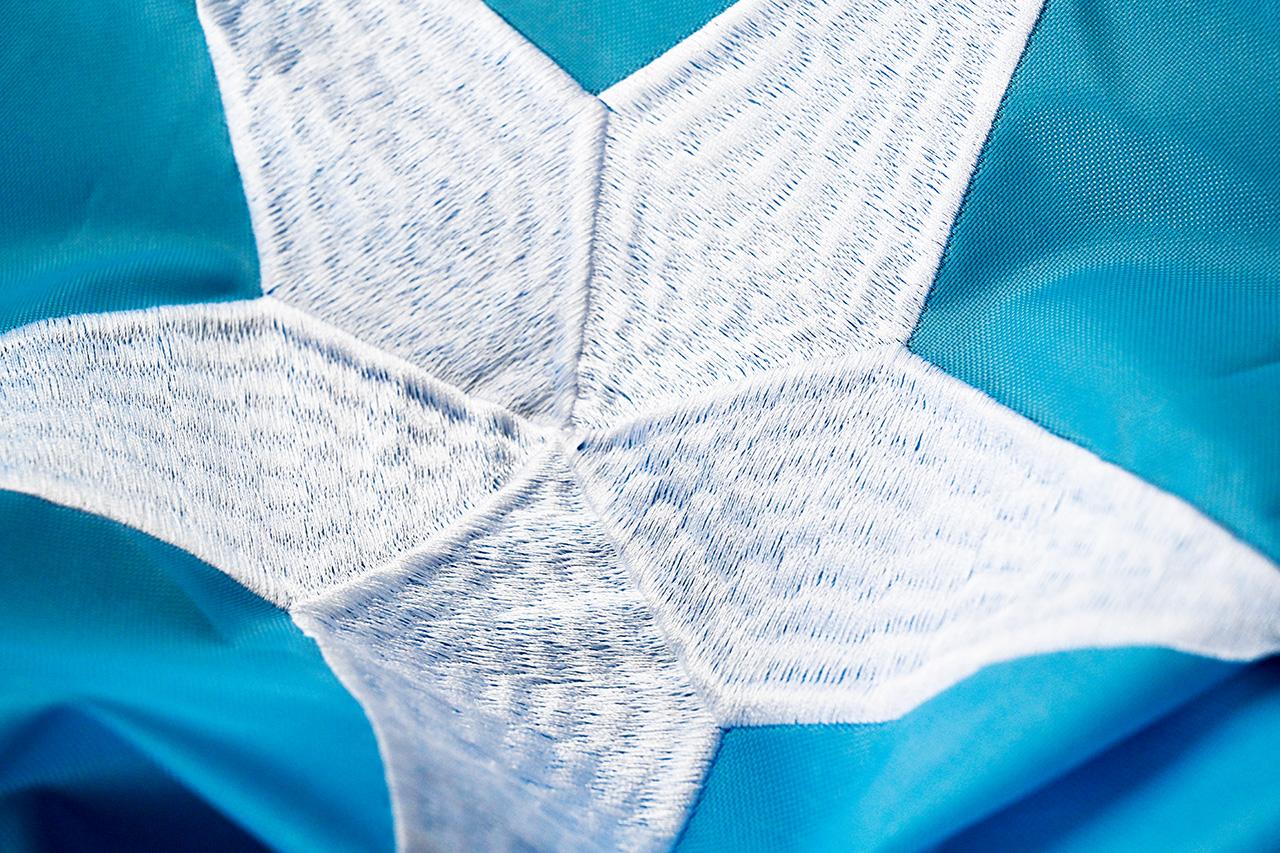
Embroidered flags are made by stitching threads directly into a fabric base. The design is built up with dense needlework, creating a raised, textured surface. This method is commonly used for seals, logos, and lettering on military flags, government flags, corporate banners, and ceremonial displays.
What Are Printed Flags?
Printed flags have the design applied to the fabric using digital printing or screen printing techniques. The image lies flat on the surface of the material. Printed flags are the standard choice for national flags, promotional flags, feather banners, and large-format displays where fine detail and color gradients are important.
Visual Comparison: Texture, Detail, and Overall Appearance
Embroidered Flags Offer a Classic, Premium Look
Done well, embroidery has a classic, tactile quality that printed flags cannot reproduce. The raised stitching catches light in different ways, giving the flag a dimensional appearance. Gold thread, thick lettering, and complex badges often look distinguished when embroidered.
However, embroidery has a practical ceiling when it comes to detail. Fine lines, small text, gradients, and photographic elements are difficult to achieve with stitching. If your design is highly complicated, embroidery may simplify the artwork to the point that it loses fidelity.
Printed Flags Preserve Every Detail of Your Artwork
With digital printing, whatever appears on your computer screen can appear on the fabric – including small fonts, shadows, color blends, and fine linework. This makes printed flags the superior option for intricate logos, dense informational content, and multi-color designs. The result is a smooth, flat surface that looks sharp even at a distance.
Durability and Performance in Outdoor Conditions
Durability is a common concern for flag buyers, so let us be direct about what we can and cannot say. In general, both embroidered and printed flags can last well when constructed with quality materials and proper stitching. But each has different behavior outdoors.
Embroidered Flags and Wind Resistance
Embroidered areas are denser and heavier than printed areas of the same design. This added weight affects how the flag flies. In a light breeze, an embroidered flag may hang more stiffly than a printed one. In stronger wind, the stitched areas may endure more stress. That is why embroidery is often confined to a central emblem, rather than covering the whole flag.
Another point to consider: thread can catch on fencing, branches, or other obstacles. If your flag will be displayed near rough surfaces or in wooded areas, printed construction may be more forgiving in daily handling.
Printed Flags and Fading
Printed flags rely on dye or ink that bonds with the fabric. Modern digital printing on polyester is designed to handle sunlight, but all flags, printed or embroidered, will eventually show signs of wear when exposed to constant UV light and weather. We do not claim fade-proof performance for any product. Instead, consider replacement frequency as a normal part of flag ownership.
For fuller coverage of flag care and longevity expectations, our team at Flags Factory can share practical maintenance guidance based on our manufacturing experience.
Cost and Production Considerations
Budget is often the deciding factor between embroidered and printed flags. Here is a realistic overview:
- Setup costs: Embroidery usually requires digitizing the artwork into a stitch file, which involves an upfront setup fee. Printed flags require color calibration and proofing, but setup is generally faster and less expensive.
- Per-unit cost: Embroidered flags cost more per unit because the stitching process is slower and labor-intensive. Printed flags benefit from faster production, especially for larger quantities.
- Order quantities: For one-off flags or small batches, printing is typically more economical. For bulk orders, printing also tends to win on price. Embroidery is better suited for low-volume, high-prestige items where the tactile look justifies the premium.
Use Cases: Which Flag Type Should You Choose?
Choose Embroidered Flags When…
- You need a formal or ceremonial flag for government, military, or civic institutions.
- The design is a simple emblem, seal, or initials that benefits from raised texture.
- You want a heirloom-quality item for indoor display or special occasions.
- You have a lower quantity requirement and a budget that supports higher per-unit cost.
Choose Printed Flags When…
- You need a national flag, state flag, or corporate flag with detailed artwork.
- Your design includes gradients, small text, or photographic elements.
- You are ordering promotional flags or event banners in large numbers.
- You need lightweight fabric that responds well to gentle breezes.
- Budget efficiency is a high priority without sacrificing visual quality.
Can You Combine Embroidery and Printing?
In some cases, yes. A printed flag can include an embroidered patch or badge sewn onto the center. This hybrid approach gives you the crisp detail of printing across the full field, plus the raised texture of embroidery for the main emblem. Hybrid flags are popular for luxury corporate flags and commemorative items. They cost more than fully printed flags but less than fully embroidered ones, depending on design size.
Recommendations from Our Manufacturing Floor
As a flag manufacturer in Weifang, Shandong, we produce both embroidered and printed flags for customers worldwide. Our practical advice is simple: choose the method that fits your design and your use case, not the one that sounds more prestigious.
- For outdoor flagpoles where the flag will fly daily, printed polyester is the standard, practical choice.
- For indoor display, recognition awards, and formal presentations, embroidery adds a level of craftsmanship that printing cannot replace.
- For large-volume corporate or event usage, printed flags deliver consistent color and detail at a manageable price point.
Final Thoughts: No Single “Better” Flag
Embroidered flags and printed flags each excel in specific situations, and neither is inherently superior. Embroidery offers durability of appearance and a classic, handmade aesthetic. Printing offers design flexibility, cost efficiency, and photorealism. By clarifying your budget, design complexity, and display environment, you can confidently select the right option.
At Flags Factory, we help customers compare materials, thread counts, and printing methods before they place an order. Whether you need a single embroidered banner for a boardroom or a bulk run of printed flags for an upcoming campaign, our team in Weifang can guide you through the selection process. Contact us with your artwork to request a recommendation tailored to your project.
