

Company News
Flag Export Packaging and Labeling Standards: What Importers Should Specify

Oct

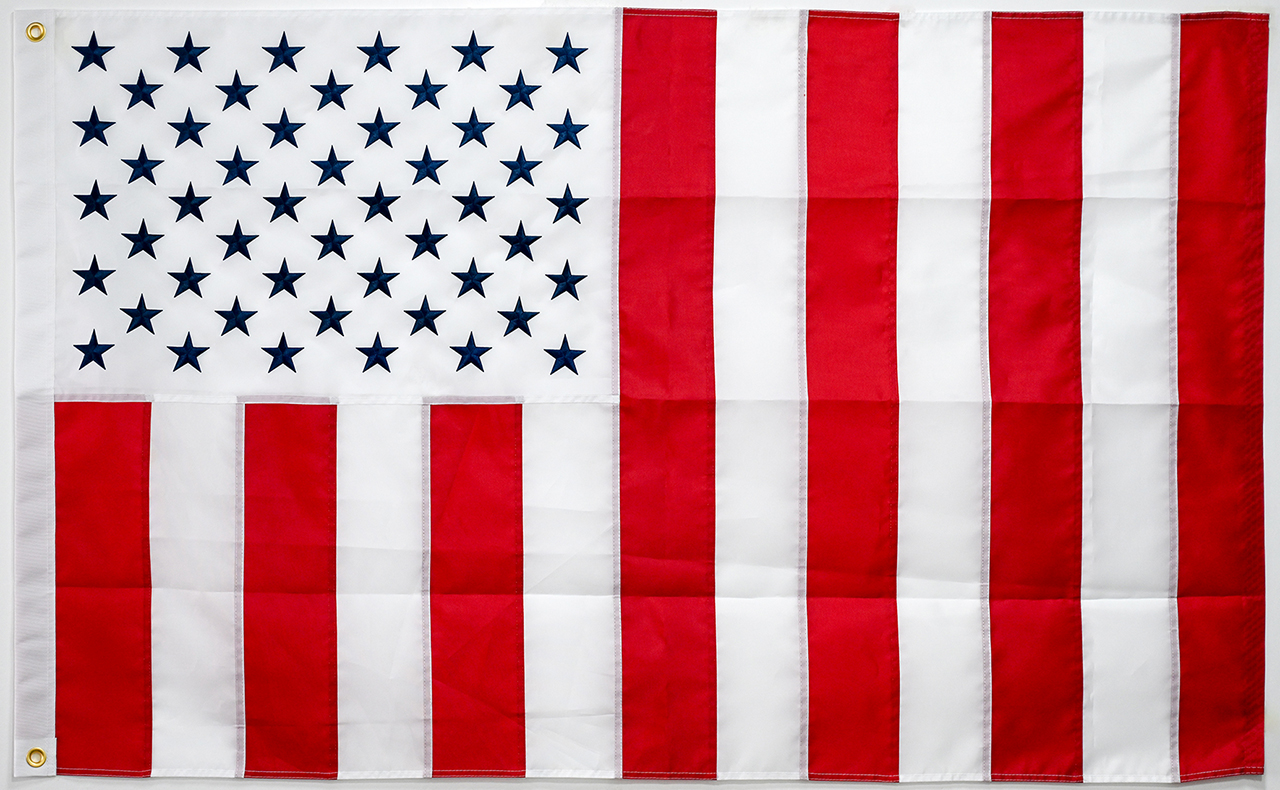
When you source flags overseas, the product itself is only half of what you are buying. The other half is how it is packed, labeled, and marked. Packaging decisions made at the factory determine whether your order arrives flat, clean, and shelf-ready — or creased, scuffed, and stuck in a warehouse receiving dispute. This guide walks through the details importers and distributors should write into a purchase order before production starts at flags-factory.cn.
Start With the Destination, Not the Factory Door
Packaging should follow the route the goods will travel: full container or LCL, port of discharge, inland trucking, then either a distribution warehouse or a retail shelf. Before you confirm any spec, answer three questions:
- Will each flag be sold individually at retail, or broken down and resold in bulk?
- Will the goods sit in a humid warehouse or move by air freight?
- Does the retailer impose its own barcode, hang tag, or polybag rules?
Answers to those questions drive every downstream choice, from bag thickness to carton ply.
Inner Packaging: What Happens to Each Flag
Polybags and Header Cards
Specify bag gauge rather than just “a polybag,” and state clearly whether the bag should be plain or printed. If the flag will hang on a retail peg, define the header card size, the punch-hole diameter, and whether the barcode is printed on the card or applied as a label. Where suffocation warnings are required in your market, say so explicitly — suppliers will not add them by default.
Folding and Rolling
Creasing is the most common complaint on textile flags. Tell the factory how you want them presented: folded to a set dimension for boxed retail, folded around a stiffener for flat packing, or rolled on a core for large banners and backdrop pieces. If a carton contains mixed colors or sizes, ask for each item to be separated and identified so your warehouse can pick without opening every bag.
Master Carton Specifications
Export cartons take more punishment than domestic ones. Set expectations in writing:
- Board grade: double-wall construction is typical for export textile shipments.
- Gross weight: state a maximum. Many warehouses prefer cartons that one person can handle without equipment.
- Dimensions: give length × width × height in centimeters and ask for the same format on the packing list.
- Moisture control: specify an inner liner bag where humidity is a risk, and note whether desiccant is required.
- Carton strength: if your buyer runs an inbound drop test, describe the criteria in the PO so the factory can pack accordingly.
Flag Carton Marking: Details Customs and Warehouses Look For
Carton marking is where small omissions cause big delays. A well-marked export carton usually carries:
- Shipper and consignee names
- Purchase order number and item or style code
- Description, size, color, and quantity per carton
- Gross weight, net weight, and carton dimensions
- Carton sequence, such as “Carton 3 of 14”
- Country of origin, printed legibly and permanently
- Port of discharge and handling symbols where relevant
Marking rules vary by destination, so confirm the exact wording with your customs broker. Consistent flag carton marking across repeat orders also makes receiving faster and reduces the chance of a miscount.
Labels That Travel With the Product
For textile products entering the United States, labeling rules generally cover fiber content, country of origin, and care instructions, with specific placement and permanence expectations. Requirements do change, so verify current rules with a compliance advisor rather than relying on a supplier’s default label. Practical points to specify:
- Whether the care and content label is sewn into a seam, attached to the hem, or affixed to the polybag
- Whether barcodes are printed or applied, and which symbology your retail channel expects
- Any retailer-specific elements, such as price tickets, size strips, or security tag placement
- Language requirements if you distribute in more than one market
Palletizing and Loading
Ask how cartons will be stacked, whether they will be palletized, and what pallet footprint your warehouse can accept. Stretch wrap, corner boards, and top caps protect edges during container loading, especially on LCL shipments that get handled multiple times. A simple loading plan — cartons per pallet, pallets per container, stacking limits — keeps flag shipping standards consistent from one order to the next.
Documentation That Matches the Packaging
The packing list should mirror your carton numbering exactly, with weights and dimensions matching the marked cartons. For classification, textile flags commonly fall under made-up textile articles in Chapter 63, while hand-held and novelty flags may follow a different heading. Confirm the correct code with your broker before the shipment books.
A Specification Checklist for Your Next PO
- Inner bag type, gauge, and print requirements
- Fold or roll format and finished dimensions
- Header card size and barcode placement
- Carton board grade, maximum gross weight, and dimensions
- Inner liner and desiccant requirements
- Full carton marking text, including origin and carton sequence
- Label content, placement, and language
- Pallet type, height, and wrapping method
- Packing list format and carton numbering convention
None of these items is complicated on its own. The value comes from writing them down once, agreeing them before production, and reusing the same specification on every reorder. Good flag export packaging is not about spending more — it is about removing ambiguity, so what leaves the factory is what your customers expect to receive.
Email: flagswin@flag-win.vip
WhatsApp: +86 13031678795
Facebook: https://www.facebook.com/StarFlagFactory/
Alibaba.com: https://wfqyflag.en.alibaba.com/
