

Flag Guide
Flagpole Buying Guide: Height, Material, and Mounting Options

Aug

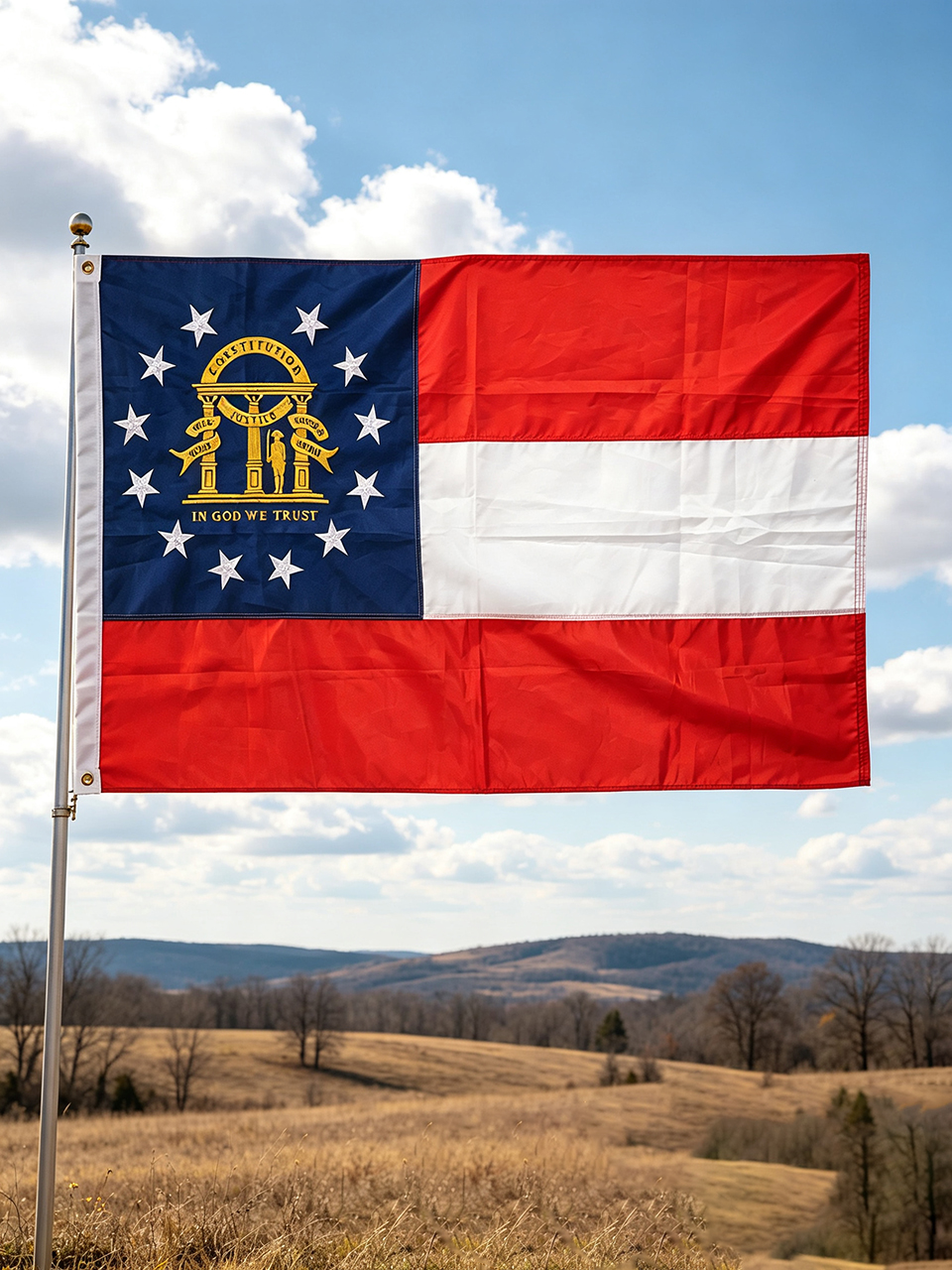
Choosing a flagpole may seem straightforward, but getting the height, material, and mounting style right makes all the difference in how your flag looks and performs. This flagpole buying guide focuses on the main decisions you will face when ordering a flagpole for your home, business, or event.
Determine the Right Flagpole Height
Height is usually the first decision. The right height depends on three factors: the size of your flag, your surroundings, and the overall visual balance you want.
Match Your Flag Size
A widely used rule of thumb is to choose a pole that is about three to four times the length of the flag you plan to fly. For example, a 3×5 ft flag is often paired with a flagpole in the 15 to 20 ft range, while a larger 5×8 ft flag may need a pole closer to 25 ft. When in doubt, choose a taller pole than you think you need, because a slightly larger flag can be flown on a shorter pole, but a small flag on a large pole will look lost.
Consider Your Surroundings
Check the area where the flagpole will be installed. Buildings, trees, and other structures can block the wind or cast shadows. A flagpole that is taller than nearby rooflines or tree canopies will allow your flag to catch more breeze. Also, check with your local authorities or homeowner association before committing to a specific height, since some areas have rules about maximum pole heights for residential or commercial properties.
Selecting the Right Flagpole Material
Flagpole material affects how the pole looks, how much maintenance it needs, and how it handles the elements. The most common options are aluminum, fiberglass, and steel.
Aluminum Flagpoles
Aluminum is a popular choice because it is lightweight and resists rust. Aluminum poles are easy to handle during installation and require less annual upkeep than steel. They suit a wide range of climates, including coastal areas, due to their natural corrosion resistance.
Fiberglass Flagpoles
Fiberglass is more flexible than aluminum or steel, which can be valuable in windy regions. The material bends slightly without staying bent, helping the pole absorb gusts rather than fighting them. Fiberglass also shells moisture well and rarely needs painting.
Steel Flagpoles
Steel provides a sturdy, classic look with substantial presence. It is heavier than aluminum or fiberglass, so it is better suited to permanent, in-ground installations. Steel requires more attention to rust prevention and often needs a protective finish or periodic repainting.
When you are deciding on material, think about your local climate, the weight you want, and how much maintenance you are comfortable doing. Each material can work well for the right site.
Understanding Flagpole Mounting Options
The mounting style determines where and how the flagpole stands. Choose one that fits the available space and how much installation work you want to do.
In-Ground Mounting
In-ground mounting is the most permanent approach. A ground sleeve is buried in concrete, and the pole slides into the sleeve. This method provides a stable footing and works well for tall, heavy poles. A full concrete foundation may take extra time upfront, but the pole can usually be removed later if needed, since it sits inside the sleeve.
Base-Mounted and Portable Options
Base-mounted flagpoles are anchored to a flat surface such as a concrete pad, deck, or patio. Some base-mounted poles are permanently bolted in place, while others use a weighted base that can be moved. Portable bases suit temporary events, trade shows, or locations where digging is not possible. A base-mounted pole is often shorter, typically around 15 to 20 ft, to keep the overall structure stable.
Wall-Mounted Flagpoles
Wall-mounted flagpoles attach directly to the side of a building, often with a bracket that angles outward. This option is a good fit for storefronts, offices, or residences with limited ground space. Be sure the wall has enough structural strength to hold the pole fully extended. Wall-mounted poles are often shorter and may include a unit that keeps both the pole and flag close to the building.
Tilt-Down and Hinged Bases
If you plan to change flags often or need easy access for cleaning, a tilt-down or hinged base might be worth considering. These mechanisms let you lower the pole to a horizontal position and raise it back up when you are done. They are available in both in-ground and base-mounted versions.
Additional Buying Considerations
Flag Size and Ratio
Before ordering, decide which flag or flags you plan to fly. The flag’s length should be in proportion to the pole height, and its width should be visually balanced. If you expect to fly different flags, choose a pole that works for the largest one.
Wind and Local Conditions
Wind exposure affects both material and height. Open areas inland tend to be windy, while sheltered city sites may only need a shorter pole. For very breezy locations, fiberglass or aluminum with a slight flex can reduce stress on the pole. Also, consider whether you will need a swivel flag ring or a halyard system that prevents the flag from wrapping around the pole.
Accessories That Make a Difference
A few simple accessories improve daily use and comfort:
- Halyard and pully system: Makes raising and lowering the flag easier.
- Cleat or winch: Helps secure the halyard when the flag is up.
- Flag clips: Allow quick flag changes.
- Trim and ball: The ornament at the top, usually a ball, flat cap, or custom design.
- Ground sleeve: Gives a clean transition between the pole and the ground.
Making Your Choice
Start by measuring your available space and choosing a flag size that fits. Then match that flag to a suitable pole height using the ratio mentioned above. From there, pick a material that matches your climate and maintenance style, and finally select a mounting method that fits the physical location.
If you still have questions after narrowing down the main choices, review more details on commercial flags and custom flag products at flags-factory.cn. Knowing the basics of height, material, and mounting options will help you get a flagpole that serves your display well for years.
