

Flag Guide
American Flag Sizes Explained: 3×5, 4×6, 5×8 ft and How to Match Them to Your Flagpole
Sep
Confused by American flag sizes? Compare 3×5, 4×6 and 5×8 ft flags, learn the pole-height rule of thumb, and pick the right size for your flagpole.
Why Flag Size Matters as Much as Flag Quality
A well-chosen flag looks proportionate, handles wind gracefully, and lasts longer because it isn’t straining against hardware it was never meant for. A poorly chosen one either looks like a postage stamp on a tall pole or whips itself apart on a short one. If you’re shopping for an American flag, the three sizes you’ll see most often are 3×5 ft, 4×6 ft and 5×8 ft. Here’s what each one is actually for, and how to match it to your flagpole.
The Three Common American Flag Sizes
3×5 ft — The Everyday Residential Size
This is the size most households picture when they think of an American flag. At three feet on the hoist (the edge that attaches to the pole) and five feet on the fly (the length that streams out), it suits house-mounted poles, 15–20 ft in-ground poles, and small business storefronts.
Practical notes:
- Light enough for a single person to raise and lower comfortably.
- Works with a standard 5–6 ft wall-mount or porch-mount pole kit.
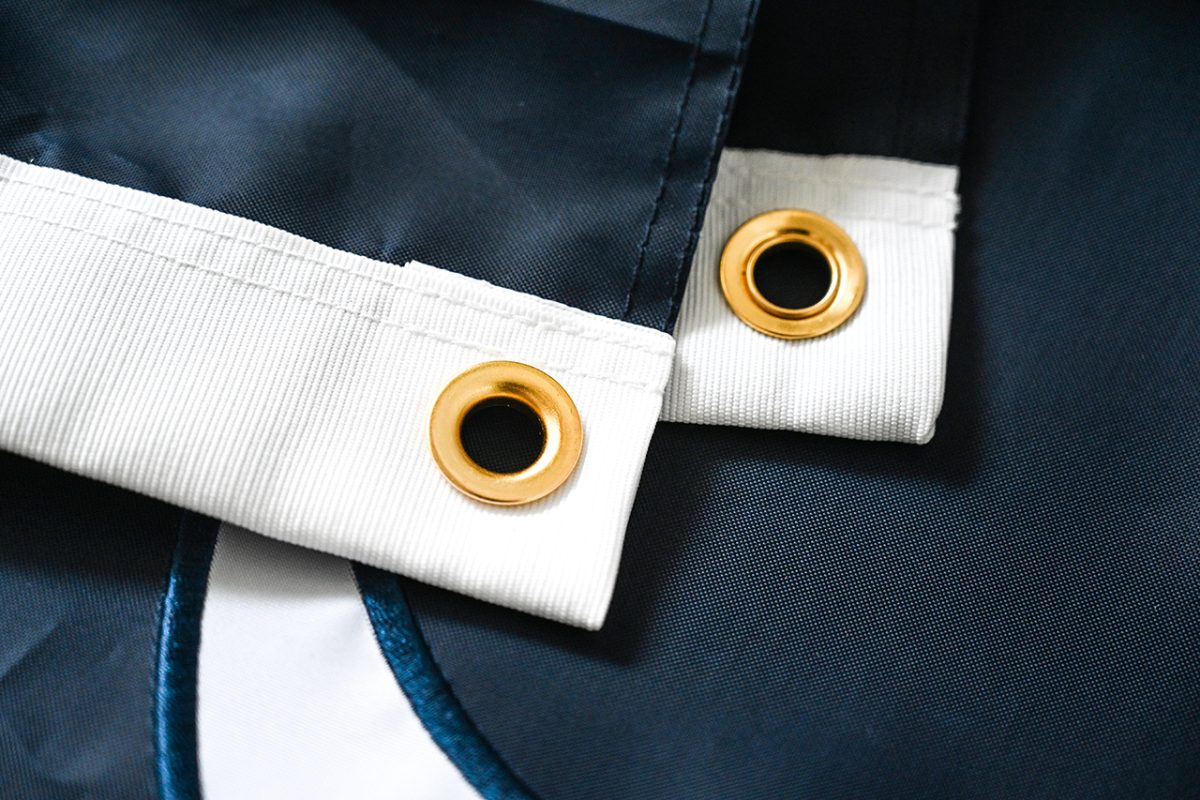
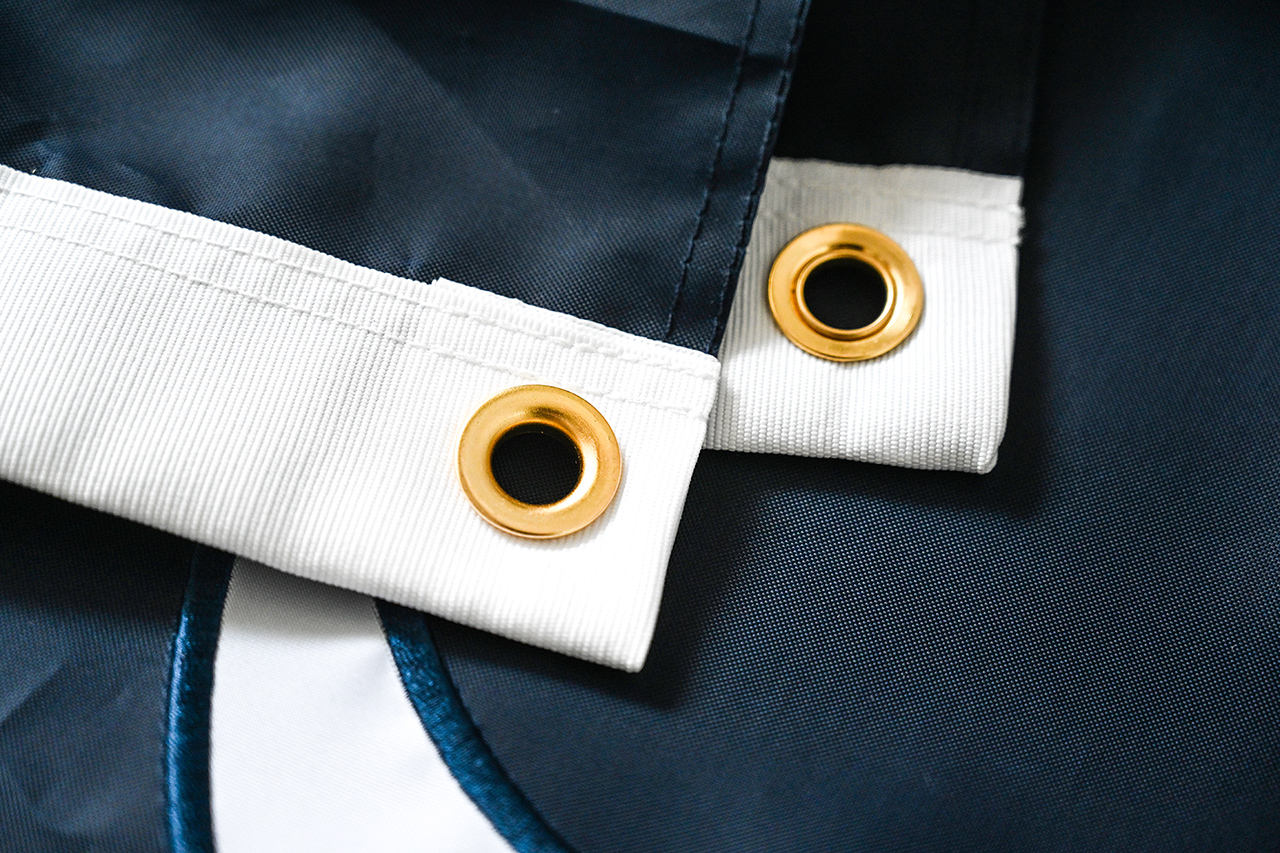
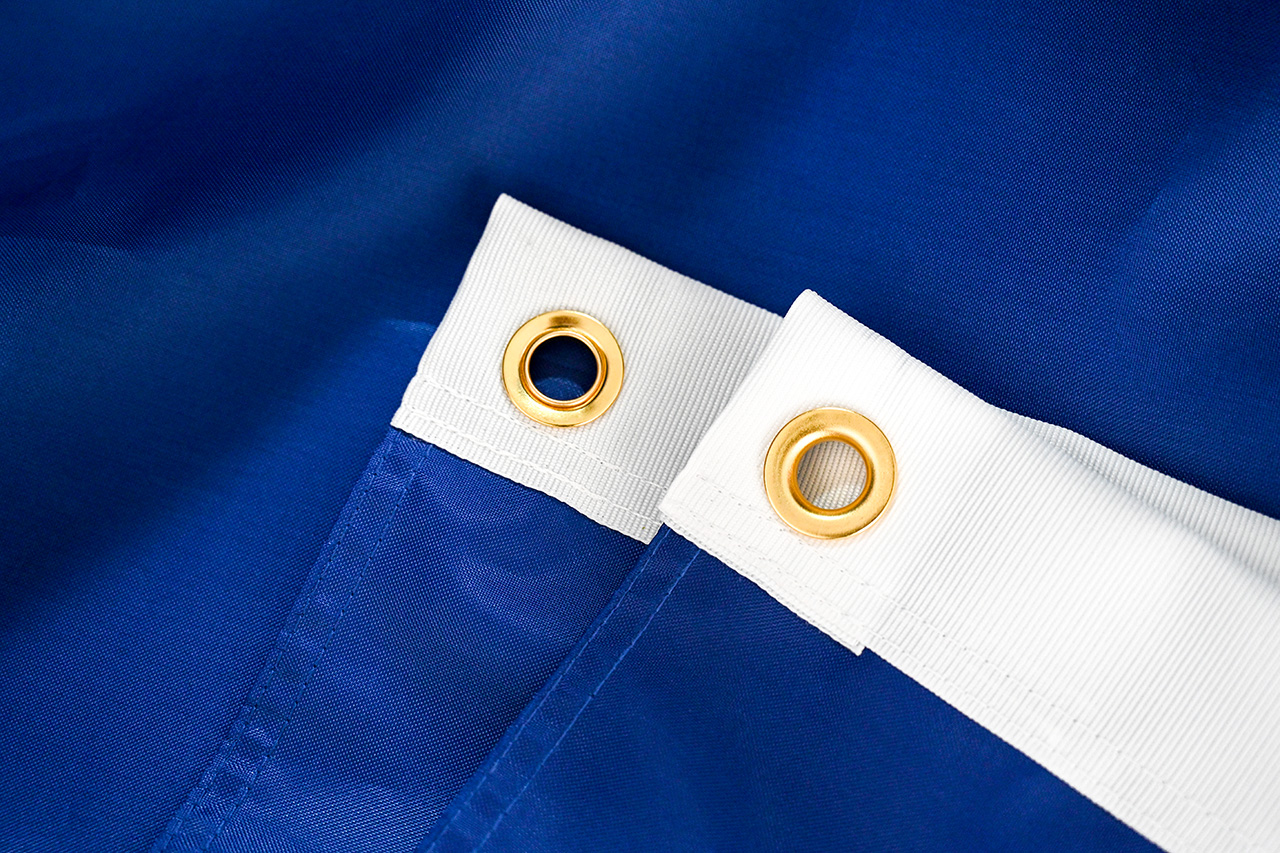
- Usually finished with a canvas heading and two brass grommets.
- The go-to size when you want to display both a U.S. flag and a state, military, or company flag on a two-position pole.
4×6 ft — The Middle Ground
The 4×6 ft flag often gets overlooked, but it fills a useful gap. It reads clearly from the street, gives a fuller look on a 20–25 ft pole than a 3×5, and still doesn’t overwhelm a residential setting.
Choose 4×6 ft when:
- Your pole is between 20 and 25 ft tall.
- You want more visual presence than a 3×5 provides.
- Your display point sits back from the road or sidewalk.
- You’re flying a single flag and want it to be the focal point.
5×8 ft — For Larger Poles and Commercial Display
A 5×8 ft flag is a substantial piece of fabric. It’s a common choice for car dealerships, banks, municipal buildings, parks, and homes with tall in-ground flagpoles. Because it presents a large surface area to the wind, it puts noticeably more load on the pole, halyard, and attachment points than a 3×5 or 4×6.
Keep these points in mind:
- It generally needs a pole of roughly 25–30 ft to look balanced.
- Hardware should match the load — heavier heading, reinforced grommets, and often a rope thimble with snap hooks.
- In strong, sustained wind, it’s wise to lower it or switch to a smaller flag for the duration.
The Rule of Thumb: Flag Length vs. Pole Height
The traditional guideline used across the flag industry is simple: the fly length of the flag should be about one-quarter of the flagpole’s height. You can stretch that to about one-third, but going larger makes the flag look oversized and increases wear on both the flag and the pole.
A quick reference:
| Flagpole Height | Suggested Flag Size |
|---|---|
| 5–6 ft (house mount) | 2.5×4 ft or 3×5 ft |
| 15–20 ft | 3×5 ft |
| 20–25 ft | 4×6 ft |
| 25–30 ft | 5×8 ft |
| 30–40 ft | 6×10 ft |
| 40–50 ft | 8×12 ft |
Two other rules worth remembering: a flag should never touch the ground, and when two flags share a pole, the U.S. flag flies at the top position.
A Note on Proportions
The U.S. Flag Code describes official proportions of 1:1.9 (hoist to fly). Commercially manufactured flags are sold in named sizes such as 3×5, 4×6, 5×8 and so on, which are slightly different but are what the vast majority of homes and businesses display every day. If you need a flag made to exact official proportions, that’s a custom order rather than a stock size — worth flagging to your supplier up front.
Other Factors That Should Influence Your Choice
Wind Exposure
An open field, a coastal site, or a rooftop location sees more sustained wind than a sheltered suburban yard. The larger the flag, the more sail area it presents. If your site is windy, a smaller flag on a given pole will generally hold up better than a larger one.
Material and Construction
Outdoor flags are commonly made from nylon or polyester, with stars either embroidered or printed. Embroidered stars and sewn stripes give a dressier look; printed flags are lighter and often a budget-friendly option. Ask your supplier which construction is recommended for the size and setting you have in mind.
Hardware Compatibility
Check the attachment style before ordering. A 3×5 ft flag typically uses two grommets on a canvas heading. Larger flags may use heavier headings, additional grommets, or a rope thimble designed for snap hooks. Mismatched hardware is a common reason flags wear out early.
How It Will Be Viewed
Think about viewing distance. A flag on a porch is seen from a few feet away; a flag on a 30 ft pole at a business entrance is seen from the road. Match the size to the distance your audience will actually be viewing from.
Quick Checklist Before You Order
- Measure your flagpole height, from the ground to the top of the pole.
- Divide by four — that’s your target fly length.
- Confirm you have room for the flag to fly clear of trees, buildings, and the ground.
- Check whether your pole takes grommets, snap hooks, or a thimble.
- Consider buying two sizes if your area gets strong seasonal winds.
If you’re still unsure, the safest starting point for most homes is a 3×5 ft flag on a 15–20 ft pole, moving up to 4×6 ft or 5×8 ft as your pole gets taller. Send us your pole height and mounting type, and we can help you confirm the right American flag size for your display.
