

Industry Trends
From Factory to Port: Common Quality Issues in Exported Flags and How to Prevent Them
Sep
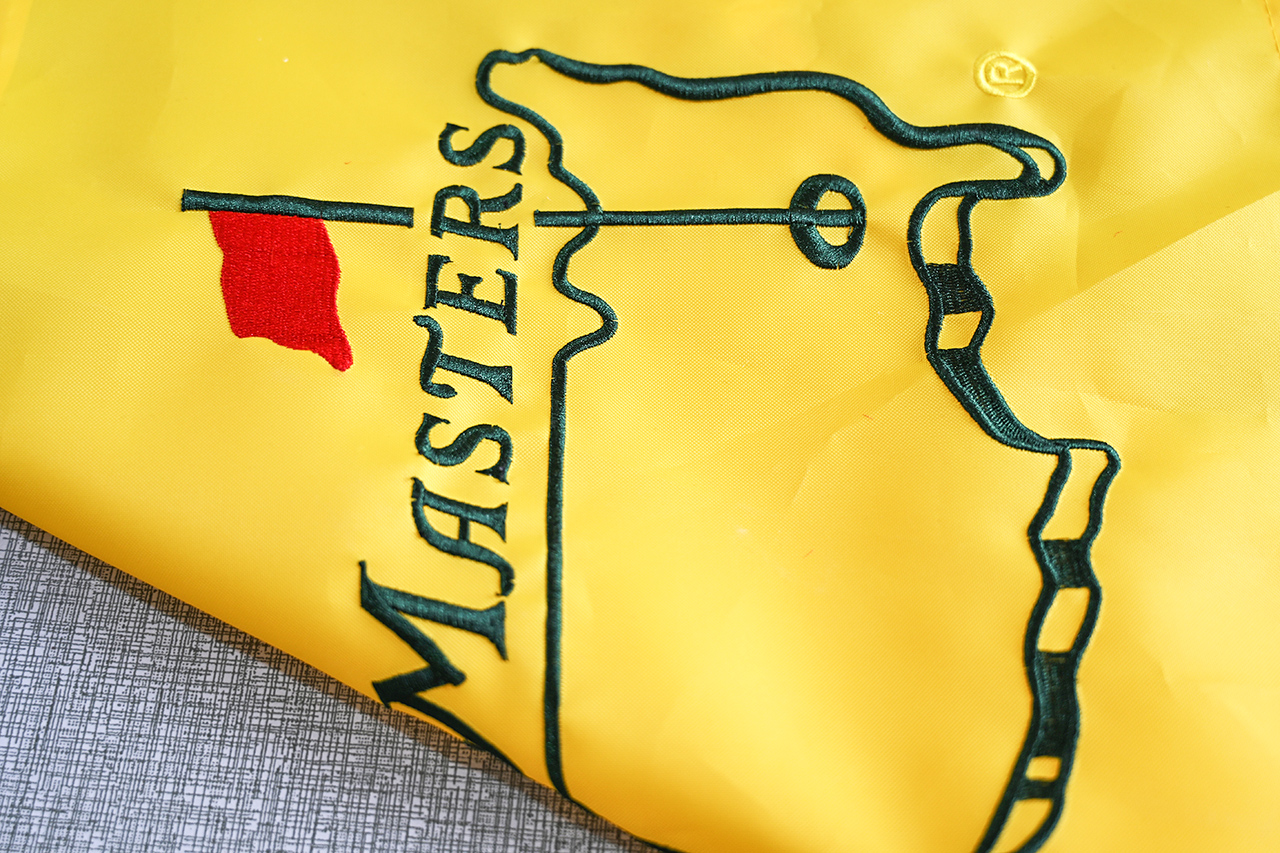
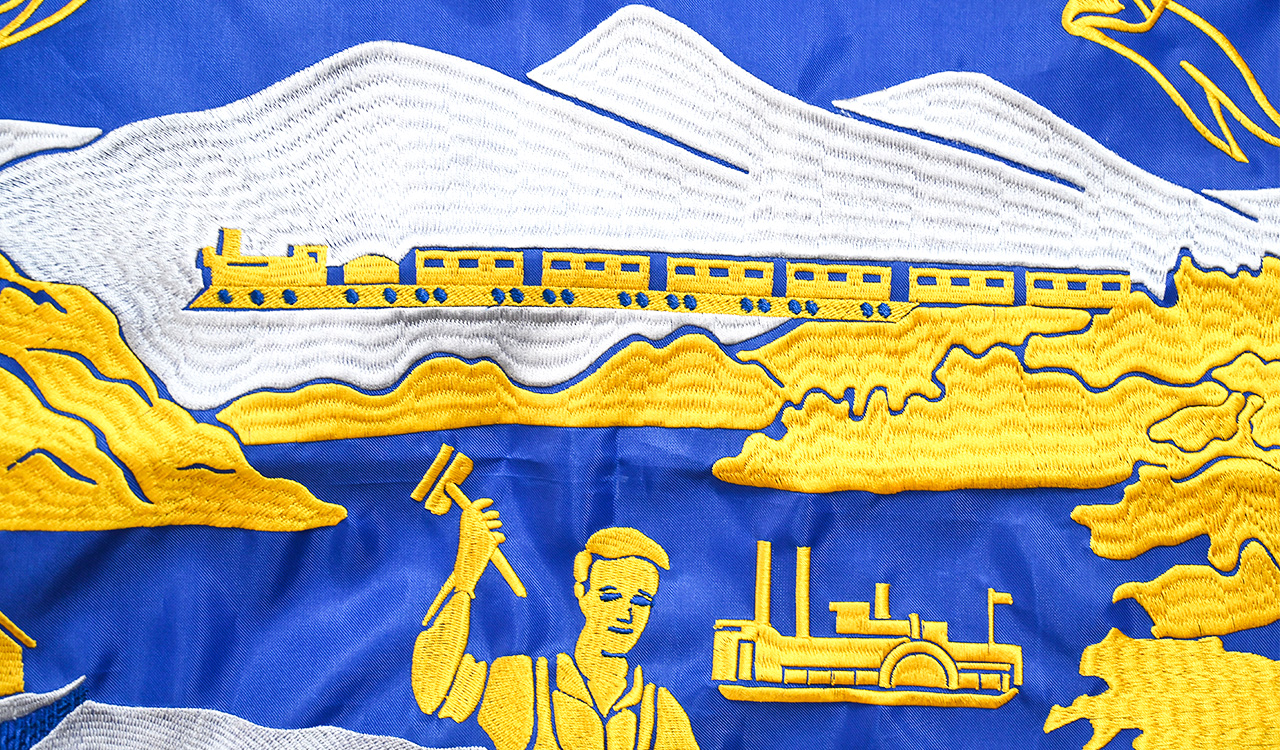
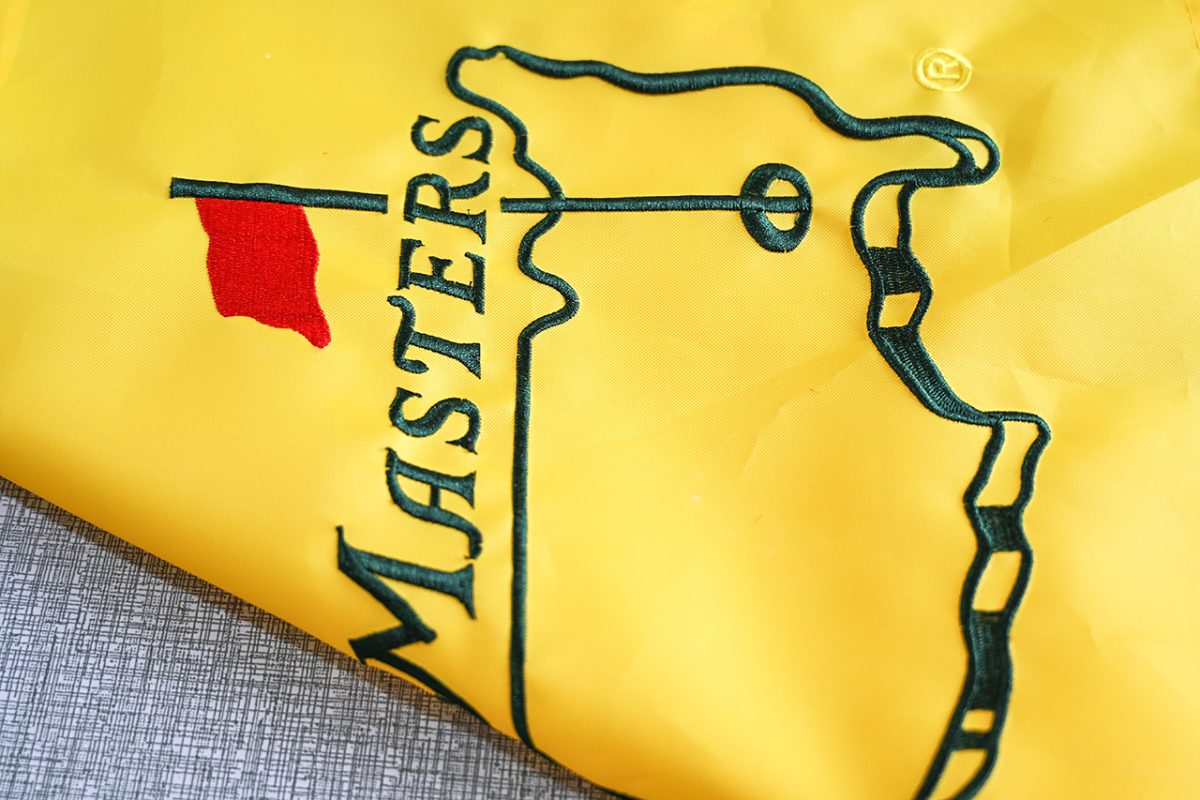
Exporting flags is not the same as selling them down the road. An order that leaves a factory floor in Weifang may spend weeks in a container, cross several climate zones, and arrive at a distributor or event organizer who has no practical way to return it. By the time a defect is discovered, the reorder window has often closed. Most of the complaints that reach flag suppliers after shipping trace back to a small set of recurring issues — and nearly all of them can be caught before the carton is sealed.
Why Export Orders Amplify Quality Problems
Three factors make export quality control harder than domestic work:
- Distance from feedback. A buyer cannot walk the production floor, so problems surface only after delivery.
- Transit stress. Humidity, heat, stacking pressure, and handling all act on the goods after they leave the factory.
- Communication gaps. Artwork files, color references, and finishing specs get reinterpreted somewhere along the chain.
1. Color Mismatch Between Artwork and Finished Flag
This is the most frequent complaint in flag exporting. Common causes include reviewing colors on an uncalibrated monitor, supplying a low-resolution image instead of vector artwork, and specifying colors only in RGB when the printer works to a different reference system.
How to prevent it
- Supply vector artwork (AI, EPS, or PDF) with color references noted as Pantone/spot codes, not screen colors.
- Approve a physical pre-production sample, not a digital proof, for any order where brand color matters.
- Confirm the fabric base, since the same ink reads differently on knitted polyester, woven polyester, and nylon.
- For repeat orders, keep a sealed approval sample on file at the factory for reference.
2. Fraying and Blow-Out at the Fly End
The fly end takes the most wind stress, and it is where flags fail first. Undersized hems, single-stitched edges, and light fabric weight for the intended wind zone are the usual culprits.
How to prevent it
- Specify a reinforced fly end with multiple rows of stitching where the application calls for it.
- Match fabric weight to the expected wind exposure — indoor display, light outdoor use, and constant coastal wind are different jobs.
- Ask whether the hem is folded and stitched rather than heat-cut only.
3. Print Show-Through and Ink Bleed
Dye sublimation on thin, light-colored fabric can allow the reverse side to show through, which is noticeable on single-reverse flags viewed against bright light. Ink bleed appears as fuzzy edges where ink spreads beyond the printed area.
- Discuss fabric weight and construction options with your supplier when both sides will be visible.
- Ask about liner or blocking layers for single-sided flags used in backlit positions.
- Confirm that printed fabric is properly dried and rested before cutting and sewing.
4. Registration Errors in Multi-Color Designs
Complex designs — coats of arms, detailed logos, fine text — can shift between color passes, producing ghosted edges or blurred small type. Prevention starts with the artwork: keep fine detail above a minimum printable stroke width and avoid hairline text. Ask for a photo of the first printed panel before the full run begins.
5. Grommet, Sleeve, and Hardware Defects
Loose grommets, unevenly spaced hardware, and sleeves sewn too narrow for the intended pole are common and entirely preventable.
- Confirm grommet spacing, material, and placement in writing, including whether a bottom grommet is required.
- State the pole or halyard diameter when ordering a pole sleeve.
- Request that hardware be checked for sharp edges that could abrade the fabric.
6. Moisture, Mildew, and Crushing in Transit
Flags packed warm, or packed before printing is fully cured, can arrive with transfer marks, odor, or mildew spots. Cartons stacked under container load can also crush grommets and crease fabric.
- Allow proper drying and cooling time before folding and bagging.
- Use moisture barrier inner bags with desiccant for humid routes.
- Pack flat or on rolls rather than compressing finished goods, and avoid over-filling cartons.
7. Stitching Defects
Skipped stitches, loose thread tails, puckered seams, and uneven hoist hems all point to machine tension or operator attention. These are caught by in-line inspection, not by final inspection. Ask your supplier what in-process checks are performed during sewing, not only at packing.
8. Size and Proportion Deviations
Finished flags can measure short if fabric shrinkage during printing is not accounted for, and non-standard proportions distort the design. Confirm the finished size in writing — not the cut size — and clarify the tolerance your supplier works to.
A Practical Pre-Shipment Checklist
- Approved physical sample on file, matched to the production run.
- Finished dimensions measured and recorded.
- Fly end reinforcement and hem construction verified.
- Hardware inspected for placement, security, and sharp edges.
- Photographs of finished goods from both sides.
- Packing method confirmed, with moisture protection for long routes.
Working With Your Supplier on Prevention
The most effective quality tool in flag exporting is a clear specification agreed before production: artwork format, color references, fabric, finished size, hem and fly-end construction, hardware, packing, and inspection method. When those details are written down and confirmed with a sample, most post-shipment complaints never happen. Ask your supplier directly how they handle each item above — the answers tell you as much about the order as the price does.
