
Industry Trends
How to Negotiate Flag MOQ: Practical Tips for Small-Batch Custom Flags
Nov
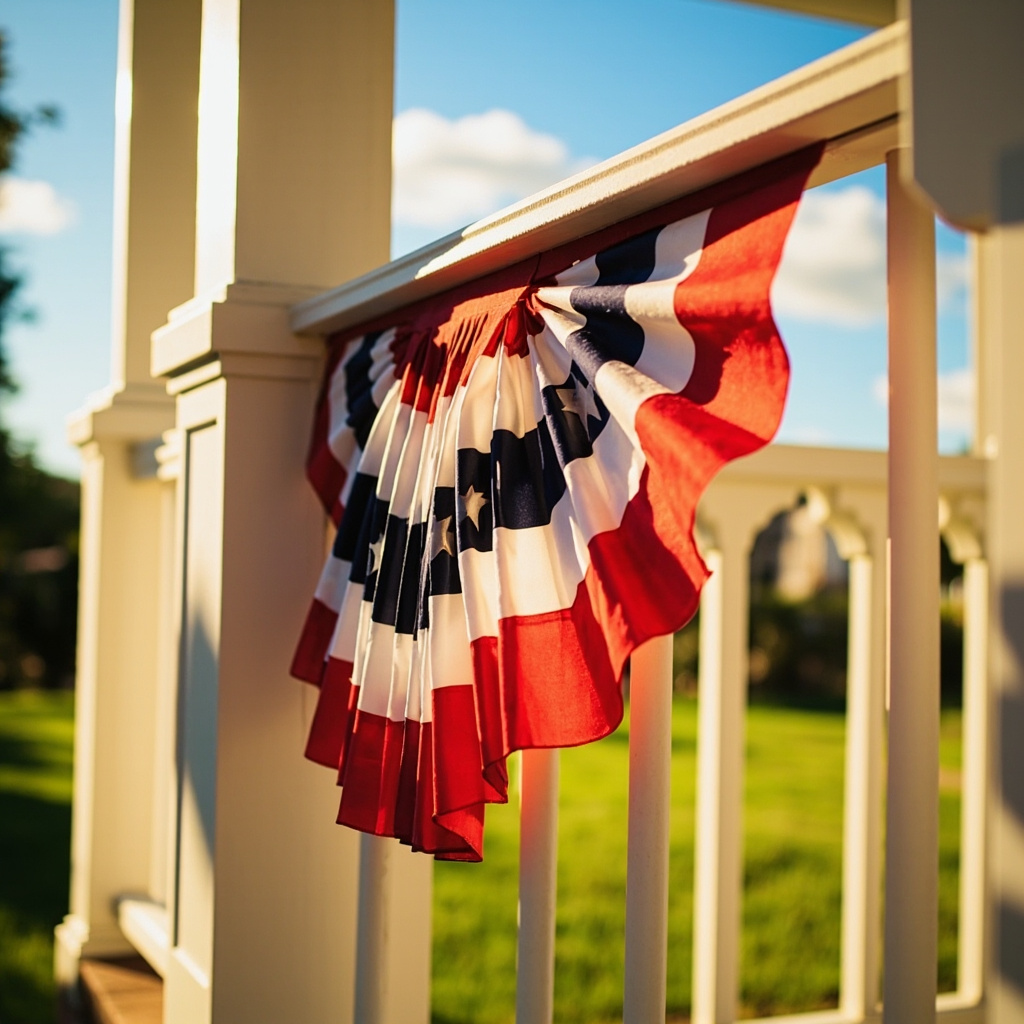
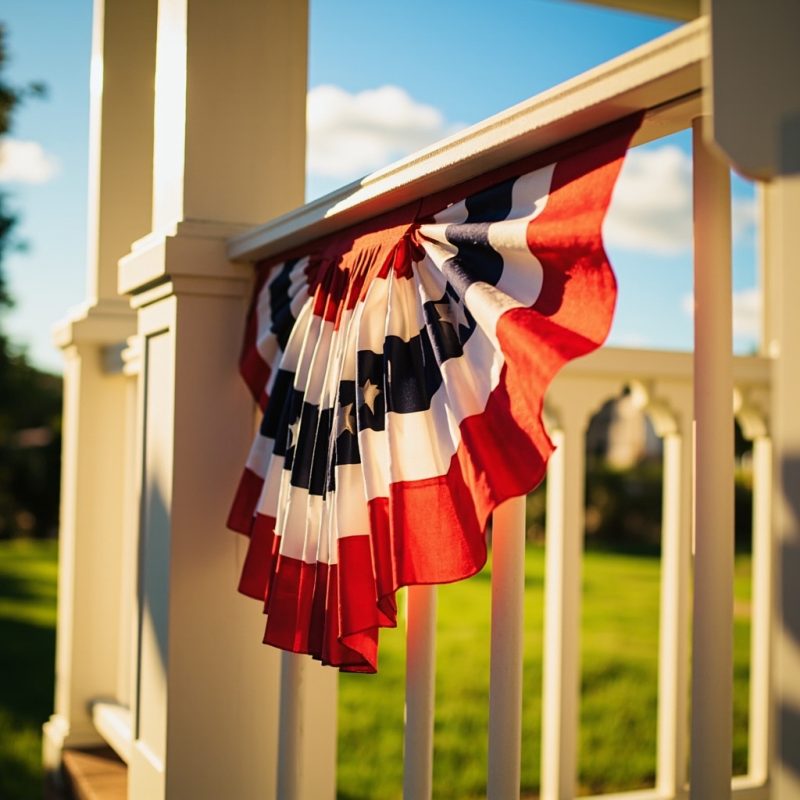
Ordering a few dozen or a few hundred custom flags for a campaign, a school event, or a first product line can feel like hitting a wall when the quote comes back with a quantity far larger than you need. The reassuring part: a flag MOQ is rarely carved in stone. It is a starting point shaped by fabric sourcing, print setup, and how a factory schedules its machines — and nearly all of those variables can be discussed.
This guide walks through what drives minimums, what to prepare before you ask, and the specific levers that move a number down without souring the relationship.
What Actually Drives a Flag MOQ
Understanding the cost structure makes you a far more effective negotiator, because you stop arguing about the number and start addressing the reasons behind it.
- Fabric minimums. Mills sell fabric by the roll. If your flag uses a specialty cloth, the factory may need to commit to a full roll before production starts.
- Print setup. Screen printing requires a screen per color, which is a fixed cost regardless of run length. Digital printing has little setup but a higher per-unit cost.
- Machine time. A short run still occupies the same cutting table and sewing line. Small orders are usually slotted around larger jobs.
- Finishing and hardware. Header tape, grommets, pole sleeves, and fringe are often bought in bulk, and small hardware purchases carry their own minimums.
Notice that almost none of these barriers are about the flag itself. They are about the inputs around it — which is exactly where negotiation happens.
Prepare Before You Ask
A vague request invites a vague answer. Before contacting a supplier, pin down the following so the quote is comparable:
- Finished size and shape (standard rectangles are cheaper than custom proportions)
- Fabric preference or acceptable alternatives
- Single-sided or double-sided print
- Number of colors and whether artwork is vector-ready
- Finishing style: header and grommets, pole sleeve, or fringe
- Target delivery window and shipping destination
When you can describe the job precisely, a supplier can tell you which specific element is forcing the minimum up — and that element is the one worth renegotiating.
Five Levers That Lower a Minimum Order Quantity for Flags
1. Standardize the size and fabric
Moving from a bespoke dimension to a common size, or from a specialty cloth to a widely stocked fabric, often reduces the minimum more than any amount of price haggling. Ask which combinations the factory already runs regularly.
2. Simplify the color count
If your design uses six spot colors, ask what happens at three. Fewer screens means less setup, and setup is frequently the reason a small run is refused. Alternatively, ask whether digital printing — which handles full-color artwork without screens — is available at a lower minimum.
3. Combine designs into one run
Factories care about total yardage more than the number of designs. If you need four banner variants for a product launch, presenting them as one consolidated order of small batch custom flags can meet the threshold while each individual design stays small.
4. Be flexible on timing
Ask whether your order can be scheduled alongside similar work already in the queue. A supplier who can pair your fabric with an existing run may accept a lower quantity in exchange for a slightly longer lead time. This costs you patience, not money.
5. Request a paid sample or pilot batch first
Many suppliers will produce a very small trial order — sometimes as little as a single piece — so you can approve the print quality and construction before committing. A pilot batch is a reasonable middle step and gives both sides confidence.
What to Offer in Return
Negotiation is a trade, not a request. Bringing something to the table makes a lower flag MOQ far easier to approve:
- Pay setup or tooling costs separately and upfront
- Consolidate shipments rather than splitting deliveries
- Provide print-ready artwork to the correct specifications
- Accept a realistic production window instead of a rush date
- Be clear about whether this is a one-time order or a repeat program
That last point matters. Suppliers plan capacity around repeat business, so if you expect to reorder, say so plainly — without overpromising volumes you cannot confirm.
Questions to Put in Your First Email
- What is your minimum for this size and fabric, and which factor sets that minimum?
- Can you share pricing tiers above and below that minimum?
- Are setup or screen fees charged separately, and are they one-time?
- Is a sample or pilot order possible before full production?
- What artwork format do you need, and what is the standard lead time?
Mistakes That Weaken Your Position
Leading with “what is your lowest price” before sharing specifications usually gets you a generic answer or a higher minimum, because the supplier has to protect against uncertainty. Equally, haggling only on unit price while ignoring setup fees, freight, and packaging can leave you with a lower headline rate and a higher total cost. Compare landed cost, not just the per-flag figure.
Finally, avoid treating a hard minimum as a personal slight. In most cases it reflects genuine production economics, and a supplier who explains the reasoning is more useful than one who simply says no.
Wrapping Up
A workable flag MOQ comes from matching your order to how flags are actually made: standard fabric, simple color counts, consolidated designs, and flexible timing. Come prepared with clear specifications, ask which factor is driving the number, and offer something concrete in exchange. Whether you are ordering a handful of samples or planning a recurring program of small batch custom flags, that approach tends to produce both a better number and a better working relationship.
Ready to talk through quantities? Send your artwork, size, and target date to our team and we will map out the options that fit your actual order size.
Email: flagswin@flag-win.vip
WhatsApp: +86 13031678795
Facebook: https://www.facebook.com/StarFlagFactory/
Alibaba.com: https://wfqyflag.en.alibaba.com/
